
The Monsters Are Due on Maple Street: A Comprehensive Analysis
Rod Serling’s impactful script, readily available as a PDF document, unveils a chilling narrative exploring societal anxieties and the fragility of community bonds.
The readily accessible script, sourced from Dickinson ISD, provides a detailed look into the episode’s opening, establishing the idyllic setting of Maple Street before disruption.
The PDF showcases the narrator’s introduction to the Twilight Zone, framing the story within a dimension of imagination, fear, and the unknown.
It meticulously details the initial normalcy – a quintessential American street scene – setting the stage for the impending chaos at precisely 6:43 P.M.
Overview of the Twilight Zone Episode
“The Monsters Are Due on Maple Street”, a cornerstone of the original Twilight Zone series, presents a stark allegory for Cold War paranoia and the dangers of unchecked suspicion. The episode, easily accessible as a PDF script, unfolds on a seemingly ordinary suburban street where a sudden power outage and strange aerial phenomena ignite a wave of fear amongst the residents.
Initially, the neighbors attempt rational explanations, but as anxieties escalate, they begin to turn on one another, fueled by baseless accusations and escalating mistrust. The PDF reveals Rod Serling’s masterful pacing, building tension as the community unravels. The narrative cleverly demonstrates how easily societal order can disintegrate when confronted with the unknown.
The episode’s brilliance lies in its ambiguity; the true “monsters” aren’t extraterrestrial invaders, but rather the inherent flaws within human nature. The downloadable script from Dickinson ISD allows for a close examination of the dialogue and stage directions, highlighting Serling’s intent to expose the self-destructive potential of mass hysteria. Ultimately, the story serves as a cautionary tale about the importance of reason and tolerance.
Rod Serling’s Original Script and Its Context
Rod Serling’s original script for “The Monsters Are Due on Maple Street”, widely available as a PDF, was a direct response to the pervasive anxieties of the McCarthy era and the Cold War. The script, obtainable from sources like Dickinson ISD, reflects Serling’s deep concern about the dangers of conformity and the erosion of civil liberties in a climate of fear.
The PDF reveals Serling’s intention to create a parable about the ease with which suspicion and accusation can dismantle a community. He aimed to hold a mirror to American society, exposing its vulnerabilities to paranoia and the tendency towards scapegoating. The episode wasn’t about aliens, but about us.
Serling’s writing style, evident in the script’s detailed stage directions and impactful dialogue, emphasizes psychological realism. The PDF allows scholars and enthusiasts to analyze his masterful use of symbolism and allegory. It’s a powerful document illustrating his commitment to using science fiction as a vehicle for social commentary.
The Initial Incident: The Power Outage and Strange Lights
The catalyst for the unfolding drama, as detailed in the PDF of Rod Serling’s script, is a sudden and inexplicable power outage coupled with the sighting of strange lights in the sky. This event, occurring at precisely 6:43 P.M., immediately disrupts the idyllic normalcy of Maple Street, initiating a chain reaction of fear and suspicion.
The script emphasizes the initial confusion and disbelief of the residents. The PDF showcases their attempts to rationalize the event, initially attributing it to mundane causes. However, as the outage persists and the lights reappear, a sense of unease begins to permeate the community.
Serling masterfully uses the power outage as a symbolic representation of the breakdown of societal order. The PDF reveals how this disruption creates a vacuum, allowing pre-existing tensions and prejudices to surface, ultimately leading to the disintegration of trust among neighbors.
The PDF script of “The Monsters Are Due on Maple Street” immediately introduces us to Steve Brand and Don Martin, two central figures whose interactions foreshadow the escalating paranoia. Brand, diligently polishing his car, represents a pragmatic, rational viewpoint initially. Martin, leaning against the fender observing him, embodies a more cautious and questioning nature.
Their early dialogue, as presented in the PDF, establishes a subtle tension. Martin’s inquisitive comments regarding the strange occurrences subtly challenge Brand’s attempts at logical explanation. This dynamic sets the stage for their later roles as leaders – or instigators – within the increasingly fractured community.
Rod Serling utilizes these characters to exemplify contrasting responses to the unknown. The PDF demonstrates how their differing perspectives contribute to the growing suspicion and ultimately, the collective hysteria that grips Maple Street, highlighting the dangers of unchecked fear.
The Role of the Narrator in Setting the Tone
As evidenced in the PDF script, the Narrator in “The Monsters Are Due on Maple Street” is far more than a mere expository device; he is integral to establishing the episode’s unsettling and thought-provoking tone. His opening monologue, readily available within the document, immediately plunges the audience into the realm of the Twilight Zone – a “dimension of imagination.”
The PDF reveals the Narrator’s voice as authoritative and philosophical, framing the events on Maple Street as a microcosm of human fears and societal vulnerabilities. He positions the narrative between “science and superstition,” preparing viewers for a story that transcends simple science fiction.
Rod Serling’s masterful use of the Narrator, as showcased in the PDF, creates a sense of foreboding and inevitability, subtly guiding the audience’s interpretation of the unfolding drama and its allegorical implications.
Themes Explored in the Episode
The “Monsters Are Due on Maple Street” PDF script powerfully illustrates several interconnected themes central to Rod Serling’s vision. Foremost is the exploration of how easily paranoia and suspicion can dismantle a community, triggered by the unexplained events detailed within the document.
The script, accessible as a PDF, demonstrates the dangers of unfounded accusations and the rapid descent into mob mentality when fear overrides reason. The escalating tension on Maple Street, meticulously laid out in the text, serves as a cautionary tale.
Further, the PDF reveals a profound examination of the fear of the unknown and the tendency to scapegoat “the other” – anyone perceived as different or threatening. The episode, through its script, critiques social conformity and the pressures of groupthink, ultimately questioning human nature itself.
Paranoia and Mass Hysteria
The “Monsters Are Due on Maple Street” PDF script vividly portrays the swift and devastating spread of paranoia amongst the residents. Initially sparked by a simple power outage and strange aerial phenomena, as detailed in the script, fear quickly morphs into baseless suspicion.
The PDF reveals how quickly neighbors turn on each other, fueled by conjecture and a desperate need to find a rational explanation for the inexplicable. This descent into mass hysteria is meticulously charted through dialogue and escalating accusations.
Rod Serling’s script, available as a PDF, demonstrates how easily a community can unravel when trust erodes and rational thought is abandoned. The residents’ anxieties, amplified by the unknown, create a self-fulfilling prophecy of distrust and ultimately, chaos.
The Dangers of Unfounded Accusations
The “Monsters Are Due on Maple Street” PDF script powerfully illustrates the destructive consequences of accusations made without evidence. As the script details, the initial confusion following the power outage quickly devolves into a witch hunt, with residents pointing fingers at one another based on flimsy suspicions.
The PDF showcases how quickly conjecture replaces reason, and how easily individuals are ostracized and condemned. Rod Serling’s writing, accessible in the PDF format, emphasizes the speed at which reputations are ruined and community bonds are severed.
The script serves as a cautionary tale, demonstrating that unfounded accusations, born from fear and uncertainty, can be more dangerous than any external threat. The escalating accusations, meticulously documented in the PDF, ultimately dismantle the very fabric of Maple Street.
Fear of the Unknown and “The Other”
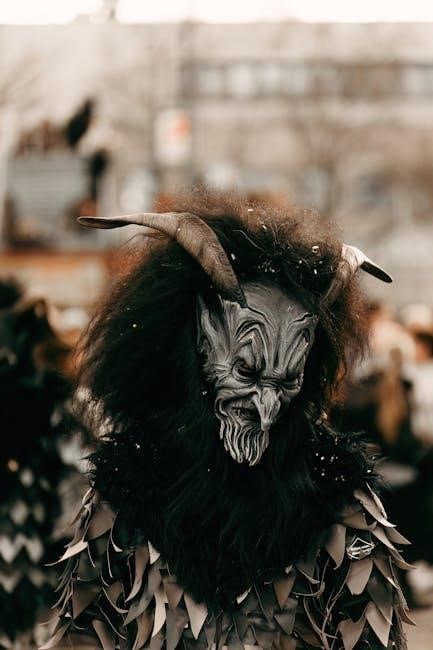
The “Monsters Are Due on Maple Street” PDF script masterfully explores the primal human fear of the unknown and the tendency to demonize “the other.” As the script reveals, the unexplained events – the power outage and strange lights – trigger deep-seated anxieties within the community.
The PDF demonstrates how this fear quickly manifests as suspicion directed towards those who are perceived as different or unconventional. Rod Serling’s narrative, readily available in the PDF, highlights how easily individuals become scapegoats when faced with inexplicable phenomena.
The script underscores the dangers of allowing fear to dictate our perceptions and actions, leading to prejudice and irrational behavior. The escalating paranoia, detailed within the PDF, showcases the destructive power of “othering” and the loss of empathy when confronted with the unfamiliar.
Social Conformity and Groupthink
Analyzing the “Monsters Are Due on Maple Street” PDF script reveals a potent commentary on social conformity and the dangers of groupthink. As the narrative unfolds, readily accessible within the PDF document, the residents of Maple Street succumb to collective hysteria, prioritizing consensus over critical thinking.
Rod Serling’s script, detailed in the PDF, demonstrates how individuals readily abandon their own judgment to align with the prevailing sentiment of the group; The pressure to conform intensifies as accusations fly, and dissenting voices are silenced or dismissed.
The PDF showcases how fear and uncertainty erode individual autonomy, leading to a dangerous echo chamber where suspicion and prejudice thrive. This descent into groupthink ultimately destroys the community, highlighting the importance of independent thought and resisting the allure of blind conformity.
Symbolism and Allegory
The “Monsters Are Due on Maple Street” PDF script is rich with symbolism and allegory, functioning as a cautionary tale about societal anxieties. Examining the PDF reveals Maple Street itself as a microcosm of America, representing any community susceptible to fear and paranoia.
As detailed in Rod Serling’s script, available as a PDF, the power outage serves as a catalyst, symbolizing the disruption of normalcy and the fragility of social order. The strange lights and unexplained phenomena represent the unknown, fueling suspicion and distrust.
The PDF demonstrates the aliens aren’t literal invaders, but rather a representation of internal fears – specifically, the fear of “the other” and the potential for self-destruction. The episode allegorically reflects the McCarthy era’s Red Scare, highlighting the dangers of unfounded accusations and mass hysteria.
Maple Street as a Microcosm of America
The PDF script of “The Monsters Are Due on Maple Street” meticulously establishes the street as a deliberately representative slice of American life. Rod Serling, through the script available as a PDF, portrays a seemingly idyllic, typical suburban neighborhood – complete with children playing, neighbors chatting, and everyday routines.
This deliberate normalcy, as evidenced in the PDF’s stage directions, is crucial. Maple Street isn’t unique; it’s intentionally generic, allowing viewers to easily project their own communities onto the narrative. The script’s focus on ordinary people facing extraordinary circumstances amplifies this effect.
The PDF reveals that the escalating paranoia and accusations aren’t isolated to Maple Street, but rather reflect broader societal tendencies. Serling uses this microcosm to explore universal themes of fear, suspicion, and the ease with which communities can unravel under pressure, making it a potent allegory for America itself.
The Aliens as a Representation of Societal Fears
The PDF script of “The Monsters Are Due on Maple Street” intentionally obscures the aliens’ true form, making them less literal invaders and more embodiments of collective anxieties. Rod Serling, as detailed in the PDF, doesn’t focus on what the aliens are, but rather on how they exploit pre-existing fears within the community.
The aliens, therefore, represent the “other” – anything perceived as different or threatening. The PDF reveals how quickly neighbors turn on each other, fueled by suspicion and unfounded accusations, mirroring the Red Scare paranoia prevalent during the Cold War era.
Their power lies not in advanced weaponry, but in their ability to amplify existing societal tensions. The script, accessible in PDF format, demonstrates that the real monsters aren’t extraterrestrial, but the destructive forces of fear and prejudice within humanity itself.

The Power Outage as a Catalyst for Chaos
As meticulously outlined in the PDF script, the power outage and subsequent strange lights serve as the pivotal catalyst, instantly disrupting the idyllic normalcy of Maple Street. This disruption, occurring at precisely 6:43 P.M. as noted in the PDF, isn’t merely a technical malfunction; it’s a deliberate act designed to observe human reaction under stress.
The PDF demonstrates how the loss of electricity strips away the veneer of civility, exposing underlying anxieties and prejudices. Without the familiar comforts and routines, residents quickly descend into suspicion and paranoia, turning on one another.
Rod Serling, through the script available as a PDF, uses this event to highlight the fragility of social order and the ease with which fear can dismantle a community. The power outage isn’t the threat; it’s the reaction to it that reveals the true monsters.
The Children’s Role in Recognizing the Truth
The PDF script subtly portrays the children of Maple Street as possessing a clearer perspective than the adults, initially exhibiting a more rational understanding of the unfolding events. They observe the escalating hysteria with a degree of detached curiosity, lacking the ingrained prejudices that fuel the adult accusations.
As detailed in the PDF, the children’s innocent questions and observations cut through the mounting paranoia, highlighting the absurdity of the adults’ behavior. They represent a lost innocence, witnessing the corruption of community spirit.
However, even the children succumb to the pervasive fear, ultimately participating in the collective delusion. The PDF underscores a tragic irony: those most capable of discerning truth are ultimately consumed by the same irrationality as their elders, demonstrating the power of mass hysteria.
Dramatic Structure and Techniques
The PDF script reveals a classic three-act structure, meticulously building tension and suspense. Act I, as presented in the document, establishes the idyllic normalcy of Maple Street, creating a stark contrast with the ensuing chaos. This initial tranquility is crucial for highlighting the rapid descent into paranoia.
The PDF demonstrates a masterful use of rising action, escalating suspicion through a series of small incidents and misinterpreted events. Serling employs dialogue and character interactions to fuel the growing distrust, mirroring real-world anxieties.

The climax, detailed within the PDF, is the complete breakdown of community as accusations fly and neighbor turns against neighbor. The resolution, a chilling reveal, underscores the manipulative nature of the unseen aliens and the fragility of human reason.
Act I: Establishing the Normalcy

The PDF script meticulously details Act I, dedicated to establishing the quintessential American normalcy of Maple Street. Serling paints a vivid picture of a tree-lined, peaceful neighborhood, emphasizing everyday activities like car polishing, lawn watering, and children enjoying ice cream.
As the PDF reveals, the narrator’s voice reinforces this idyllic setting, describing a world of “front porch gliders, hop scotch, and the laughter of children.” This deliberate portrayal of suburban tranquility is crucial, serving as a powerful foil to the impending disruption.
The script, accessible in PDF format, highlights the mundane details of life on Maple Street at 6:43 P.M., creating a sense of familiarity and relatability for the audience. This carefully constructed normalcy amplifies the impact of the subsequent events, making the descent into chaos all the more jarring.

Rising Action: The Escalation of Suspicion
The PDF script reveals the rising action begins with the unexplained power outage and strange lights, immediately fracturing the established normalcy of Maple Street. Initial curiosity quickly morphs into unease as residents attempt to rationalize the events, lacking concrete explanations.

As detailed in the PDF, suspicion begins to fester, subtly at first, with glances and hushed conversations. Steve Brand’s attempts at logical explanation are met with growing skepticism, particularly from Don Martin, who embodies the burgeoning paranoia.
The script, available as a PDF, showcases how small incidents – a malfunctioning television, a neighbor’s odd behavior – are magnified and misinterpreted, fueling the escalating distrust. This carefully crafted escalation, evident in the PDF, demonstrates how easily fear can override reason and community bonds can unravel.
Climax: The Breakdown of Community

The PDF script vividly portrays the climax as Maple Street descends into complete chaos, fueled by baseless accusations and rampant fear. The escalating suspicion, meticulously built throughout the episode, culminates in open hostility and violence amongst neighbors.
As evidenced in the PDF, Steve Brand’s desperate attempts to maintain order are futile against the tide of mass hysteria. Don Martin, now a central figure in the escalating paranoia, actively instigates the mob mentality, directing accusations and fostering division.
The PDF reveals the heartbreaking disintegration of trust, as long-time friends and neighbors turn on each other, driven by irrational fear and the desperate need to find a scapegoat. This breakdown, clearly outlined in the script PDF, represents a complete loss of reason and societal cohesion.
Resolution: The Alien Revelation and Its Implications

The PDF script delivers a chilling resolution: the aliens reveal themselves, not as monstrous beings, but as observers witnessing humanity’s self-destruction. Their intervention isn’t to conquer, but to cease observation due to the predictable outcome of human paranoia.
As detailed in the PDF, the narrator’s final monologue underscores the episode’s central theme – the true monsters aren’t extraterrestrial, but the inherent flaws within human nature itself. The aliens simply exploited pre-existing vulnerabilities.
The PDF highlights the devastating implication that this scenario is repeatable anywhere, anytime, given the right circumstances. Maple Street serves as a microcosm, demonstrating humanity’s capacity for self-inflicted chaos and the dangers of unchecked fear. The script PDF leaves the audience pondering this unsettling truth.
Critical Reception and Lasting Impact
Analysis of the episode, readily available alongside the script PDF, reveals immediate acclaim for its potent social commentary. Critics lauded Rod Serling’s sharp writing and the episode’s ability to reflect Cold War anxieties regarding McCarthyism and the Red Scare.
The PDF script’s enduring power lies in its timeless relevance. The themes of paranoia, accusation, and societal breakdown continue to resonate, prompting discussions about human behavior and collective responsibility.
The episode’s impact extends beyond critical praise; it’s frequently cited as a landmark achievement in science fiction television. The PDF serves as a testament to its enduring legacy, influencing countless subsequent works exploring similar themes. Its accessibility through the PDF ensures continued study and appreciation.
Initial Broadcast and Audience Response
The initial broadcast of “The Monsters Are Due on Maple Street” garnered significant attention, with viewers immediately recognizing its unsettling parallels to contemporary societal fears. Access to the script PDF allows modern audiences to appreciate the episode’s nuanced construction and deliberate pacing.
Contemporary reviews highlighted the episode’s effectiveness in portraying the rapid descent into hysteria, fueled by suspicion and unfounded accusations. The PDF reveals Rod Serling’s masterful use of dialogue and character interactions to amplify this effect.
Audience response was reportedly strong, with many expressing discomfort and recognition of the episode’s themes. The readily available PDF script continues to facilitate discussions about the dangers of conformity and the fragility of community trust, solidifying its place in television history.
The Episode’s Relevance During the Cold War
“The Monsters Are Due on Maple Street” resonated deeply with audiences during the Cold War, serving as a potent allegory for the pervasive fear of communist infiltration and the dangers of McCarthyism. Studying the script PDF reveals Serling’s deliberate mirroring of Cold War anxieties.
The episode’s depiction of neighbors turning against each other based on suspicion and limited evidence directly reflected the climate of distrust and accusation prevalent in American society at the time. The PDF showcases how easily rational thought could be replaced by paranoia.
The ambiguity surrounding the “aliens” – never explicitly identified – further amplified the episode’s relevance, representing the unseen enemy and the constant threat perceived during the Cold War. Accessing the script PDF provides insight into Serling’s commentary on societal vulnerability.
Modern Interpretations and Continued Significance
Even today, “The Monsters Are Due on Maple Street” maintains its chilling relevance, prompting ongoing discussions about human behavior and societal fragility. Analyzing the episode’s script, available as a PDF, reveals timeless themes that transcend its original Cold War context.
Modern interpretations often focus on the dangers of misinformation, the speed at which rumors can spread – particularly with social media – and the ease with which communities can fracture under pressure. The PDF allows for close examination of dialogue highlighting these vulnerabilities.
The story serves as a cautionary tale about the importance of critical thinking, empathy, and resisting the urge to scapegoat “the other.” Studying the PDF script underscores Serling’s enduring message about the monsters residing not in outer space, but within ourselves.
Influence on Subsequent Science Fiction and Horror Works
“The Monsters Are Due on Maple Street” profoundly impacted subsequent science fiction and horror, establishing tropes of paranoia and societal breakdown. Examining the original script, accessible as a PDF, reveals its innovative narrative structure and thematic depth.
The episode’s influence can be seen in works exploring similar themes of mass hysteria and the dangers of unchecked fear, such as films like “Invasion of the Body Snatchers” and numerous dystopian narratives. The PDF highlights Serling’s masterful use of allegory, inspiring later creators.
Its focus on psychological horror, rather than explicit monster effects, paved the way for more nuanced and thought-provoking genre pieces. Analyzing the PDF script demonstrates how the story’s power lies in its relatable characters and the unsettling plausibility of its premise, continuing to resonate with audiences today.